
Exosomes in longevity beauty: Why cellular communication is the next frontier in skin innovation
From anti-ageing to regenerative longevity
Across the beauty and wellness industries, the conversation around ageing is evolving. Rather than focusing only on correcting visible signs of ageing, brands are increasingly exploring how products can support long‑term skin vitality and resilience.
This shift reflects the growing influence of longevity science — a field focused on understanding the biological mechanisms that influence ageing and identifying ways to support cellular health over time.
As this perspective enters the beauty category, innovation is moving beyond surface‑level treatments and toward supporting the biological systems that influence how skin ages.
What are exosomes?
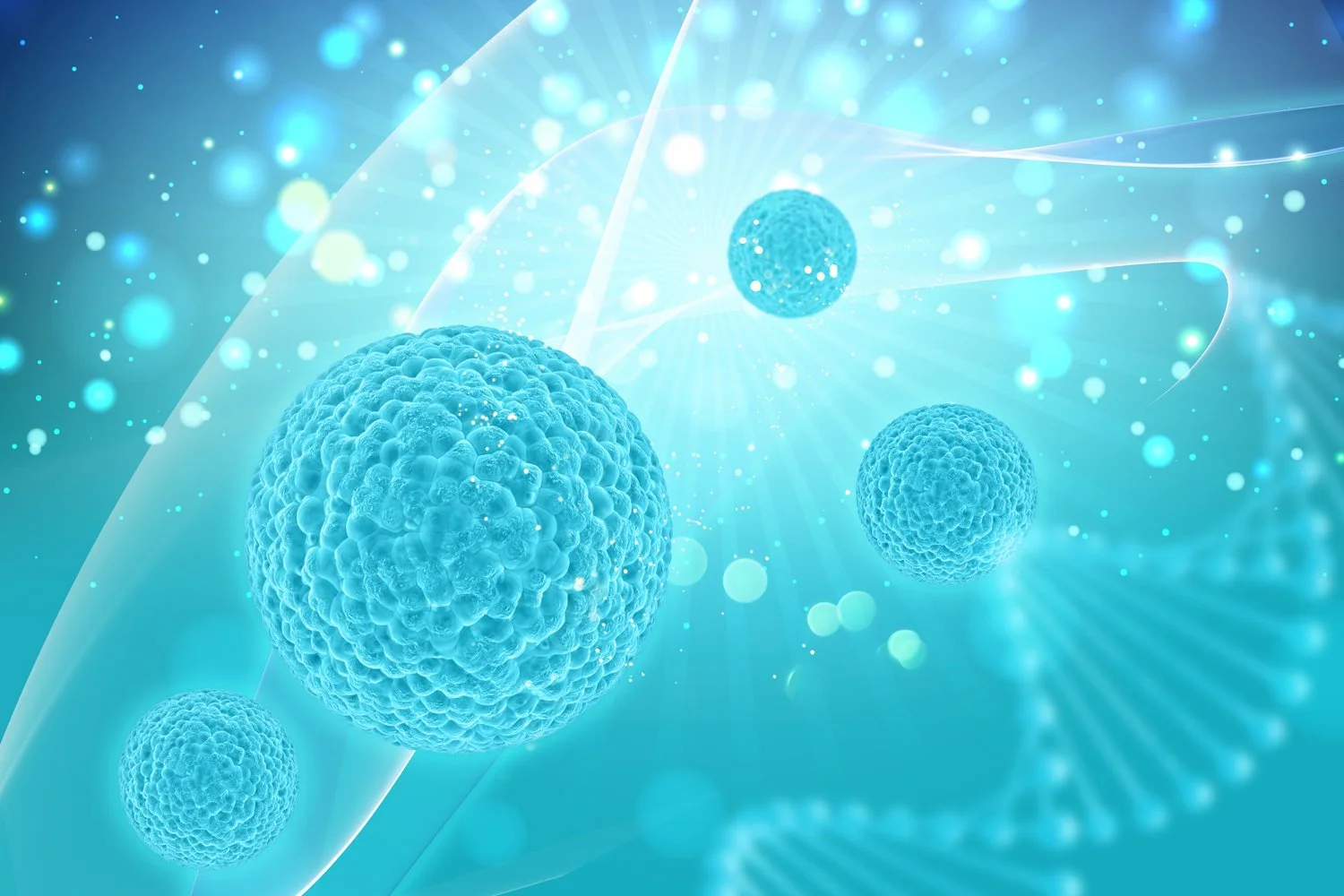
Exosomes are microscopic extracellular vesicles (EVs) naturally released by cells. Their role within the body is to act as communication messengers between cells, transferring proteins, lipids and genetic information that help regulate biological processes.
Think of them like tiny biological delivery packages sent from one cell to another. Each package carries specific instructions that help neighbouring cells understand what is happening in their environment and how they should respond — whether that involves repair, defence or regeneration.
Why exosomes are gaining attention in longevity beauty
Much of the excitement surrounding exosomes comes from their potential role in cellular signalling. Rather than acting as a simple active ingredient, exosomes can influence how cells communicate with one another.
This makes them particularly interesting within longevity science, where cellular signalling pathways influence tissue repair, inflammation and skin regeneration.
Microbiome vs plant exosomes
Exosomes can originate from multiple biological sources — including plants and microbes — each carrying signals designed for its native system.
As the popularity of exosome-based ingredients grows, many formulations are turning to plant-derived exosomes. While these can offer certain functional benefits, their interaction with the human body is fundamentally different.
Microbiome-derived exosomes, however, are inherently more relevant to human health. Produced by the microbes that naturally live on and within us, these vesicles are part of an established biological communication network — influencing skin behaviour, immune responses, and barrier function.
While plant exosomes operate across kingdoms, microbiome exosomes function within the body’s own ecosystem.
At BiomeCentric, we focus on microbiome exosome technologies that align with the body’s natural biological pathways — working with the microbiome ecosystem, not outside of it.
This approach is grounded in a growing body of scientific research exploring how extracellular vesicles mediate communication within biological systems, and how their origin shapes their function.
Exosomes and microbiome science
Exosomes are part of a broader shift toward systems-based beauty innovation. Longevity research increasingly highlights the interconnected roles of cellular signalling, inflammation regulation and microbiome balance in maintaining skin vitality.
BiomeCentric’s EvaBiome™ ingredient platform focuses on supporting microbiome harmony — another biological system linked to long‑term skin health.
Ready to bring exosome-driven longevity innovation to life?
Explore how BiomeCentric transforms advanced science into next-generation products.
BiomeCentric is proud to be advancing this field in collaboration with the University of Sydney, contributing to research that explores the role of exosomes in cellular communication and their potential applications in human health.
*Therapeutic and listed medicinal products require a dedicated stability program, BiomeCentric recommends consulting with an external independent stability expert to ensure compliance with regulatory requires and product integrity.